

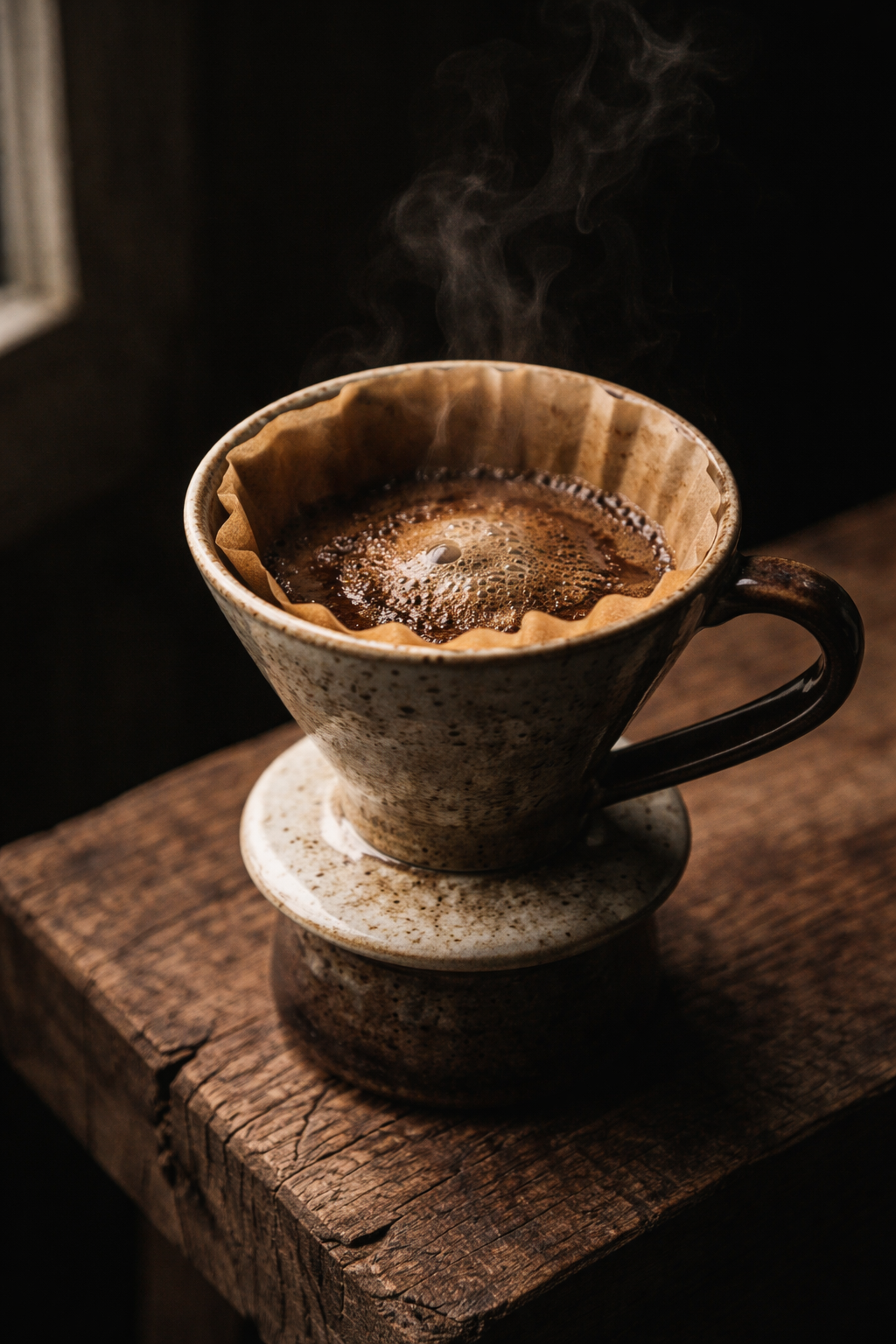
Everything you need to know about where your coffee comes from — and why it matters what's in your cup.
Quick answer: Single origin coffee is coffee sourced from one specific place a single country, region, farm, or cooperative. Unlike blended coffee, every bean in the bag comes from the same source, which means what you taste in your cup is a direct reflection of that place: its soil, altitude, climate, and the people who grew it.
What Single Origin Coffee Actually Means
Walk into a specialty coffee shop and you'll see it on the chalkboard: Ethiopia Yirgacheffe. Guatemala Huehuetenango. Rwanda Kivu. These aren't marketing words. They're addresses.
Single origin coffee is exactly what it sounds like coffee that comes from one traceable origin. That origin can be defined at a few different levels:
- Country level: All beans from one country, like Colombia or Ethiopia. Broadest and most common.
- Region level: Beans from a specific growing region within a country, like Oaxaca, Mexico or Sidama, Ethiopia. More specific flavor profile.
- Farm or cooperative level: Beans sourced from a single farm or farmer cooperative. High traceability, often exceptional quality.
- Microlot level: The most specific. A small, curated lot from a specific field, processing method, or harvest window. The rarest and most expressive coffees in the world come from microlots.
The common thread across all of them: you know where your coffee came from. That traceability isn't just a marketing point it's what makes the flavor make sense.
Single Origin vs. Blended Coffee: What's the Difference?
Most of the coffee most people drink every day is a blend. Blends combine beans from multiple origins often two to five different countries to achieve a consistent, predictable flavor profile year-round.
That consistency is the point. Your grocery store coffee tastes the same in January as it does in August because roasters adjust the blend recipe as harvests change. For mass production, that's valuable. For flavor depth, it's a ceiling.
Single Origin:
- Expressive, distinct, varies by origin
- You know exactly where it's from
- Follows harvest cycles, limited availability
- Best for exploration, pour over, and black coffee
- Farmers are credited by name
Blended Coffee:
- Consistent, balanced, predictable
- Origins often undisclosed
- Available year-round
- Best for espresso and milk drinks
- Often an anonymous supply chain
Neither is wrong. But if you've been drinking blended coffee your whole life and you've never tried a great single origin, you're missing a dimension of flavor that most people don't know coffee is capable of.
Think of it like wine. A house red from a restaurant is reliable and enjoyable. A single-vineyard bottle from a specific year in a specific valley is a completely different experience and it tells you a story about that place.
Why Does Single Origin Coffee Taste So Different?
This is the question worth sitting with. Why can two cups of coffee both black, both brewed the same way taste nothing alike?
The answer comes down to a concept borrowed from wine: terroir. Terroir is the idea that the environment a plant grows in soil composition, altitude, rainfall, temperature swings leaves a fingerprint on the fruit it produces. Coffee is no different.
Altitude
Higher elevation means cooler temperatures, which slows the growth of the coffee cherry. Slower growth means the cherry develops more complex sugars. More complex sugars translate to more interesting flavors in the cup. This is why high-altitude origins like Ethiopia, Guatemala, and Kenya consistently produce some of the world's most nuanced coffees.
Soil
Volcanic soils common in Central America, Indonesia, and parts of Africa are rich in minerals and drain well. The mineral content in the soil influences the mineral character of the cup. Ethiopian coffees grown in red clay soil in Yirgacheffe produce a brightness and floral quality you can't replicate anywhere else on earth.
Microclimate
Temperature swings between day and night are a major flavor driver. When the temperature drops significantly at night, the coffee cherry rests and holds its sugars. Farms with significant diurnal temperature variation like those in the Peruvian highlands or Colombia's Nariño region regularly produce coffees with exceptional sweetness and clarity.
Variety
Coffee, like apples or grapes, has hundreds of varieties. Bourbon, Typica, Gesha, SL28, Caturra each carries genetic flavor potential that the environment then expresses. When a roaster tells you a lot is 100% Gesha from Panama, that means something. Gesha is one of the most prized varieties on earth, known for jasmine-like florals and stone fruit sweetness that no other variety can replicate.
A Tour of the World's Major Coffee Origins
Each major coffee-growing region has a flavor identity. These are generalizations within any country there's enormous variation by altitude, farm, and processing but they give you a useful map.
Ethiopia
The birthplace of coffee. Ethiopian coffees are among the most complex in the world, often carrying floral, berry, and citrus notes that can read almost like tea. Yirgacheffe is the most famous region expect jasmine, bergamot, and stone fruit. Natural-processed Ethiopian coffees push even further into blueberry and dark fruit territory.
Colombia
Colombia is the workhorse of specialty coffee not because it's average, but because it's reliably excellent. The Andes provide ideal altitude and climate conditions across dozens of distinct regions. Colombian coffees tend to be balanced and approachable, with caramel, chocolate, and mild fruit notes. A great entry point for anyone new to single origins.
Guatemala
Guatemalan coffees from Huehuetenango and Antigua are known for their rich body and complex sweetness think dark chocolate, dried fruit, and brown sugar. The volcanic soils and high altitude create coffees with real depth and a satisfying finish.
Peru
Peru is an underrated origin gaining recognition in the specialty world. High-altitude farms in regions like Cajamarca produce coffees with bright acidity and clean sweetness stone fruit, almond, and mild citrus are common. Peru is also home to significant women-led farming cooperatives doing exceptional work on quality and traceability.
Rwanda
Rwanda's Bourbon variety, grown in volcanic soils around Lake Kivu, produces coffees that can be strikingly elegant hibiscus, black tea, and citrus zest are hallmarks of the best lots. Rwanda has invested heavily in washing station infrastructure, which shows up in the clarity of the cup.
Kenya
Kenyan coffees are intense and wine-like vivid blackcurrant, tomato, and citrus acidity unlike anything else in the world. They're not for everyone at first, but once they click, they're deeply memorable. The SL28 and SL34 varieties grown in Kenya's Central Province are the reason.
Indonesia (Sumatra, Java, Sulawesi)
Indonesian coffees sit at the opposite end of the spectrum from Ethiopia. Full-bodied, earthy, low-acid, with dark chocolate and herbal notes. Sumatra Mandheling is the archetype. If you love dark roast coffee with a heavy, savory quality, Indonesian single origins are worth exploring.
How Processing Changes Everything
One thing beginners often don't expect: two coffees from the same farm, same harvest, same variety processed differently can taste remarkably different. Processing is how the bean is separated from the fruit of the coffee cherry, and those methods leave a flavor imprint on the bean.
Washed
The fruit is removed from the bean before drying. The result: clean, bright, transparent flavor. Washed coffees show off the terroir and variety clearly. If you want to taste the origin, washed processing gets out of the way and lets the bean speak.
Natural
The whole cherry is dried intact, letting the fruit ferment around the seed. This adds sweetness and fruit-forward complexity sometimes dramatically so. Natural Ethiopian coffees can taste like blueberry jam. Natural Brazilian coffees often carry rich chocolate and wine notes.
Honey Process
A middle path some fruit mucilage is left on the bean during drying. Yellow, red, and black honey refer to how much is left. More mucilage equals more sweetness and body. Honey-processed coffees are often the most approachable: bright enough to be interesting, sweet enough to be crowd-pleasing.
Anaerobic Fermentation
A newer method where beans ferment in sealed, oxygen-free tanks before processing. The result is often intensely fruity, almost wine-like or tropical. It's pushing at the edges of what the fruit is capable of producing.
What Is a Microlot?
A microlot is a small, carefully selected lot of coffee from a single farm, single field, or specific harvest window often less than 50 bags total in existence. Microlots are selected because they've scored exceptionally on quality, and they're rare by definition.
Think of the difference between a wine that says "Napa Valley Red" and one that says "Block 7, Vine 14, 2022 Harvest." Both come from the same general area. But the second one has an address and behind that address is a specific choice someone made because those grapes were exceptional that year. Microlot coffee works the same way.
When a coffee buyer tastes through hundreds of samples from a cooperative and pulls one lot because it scored 90+ on the SCA scale with a tasting profile no other lot matched, that becomes a microlot. It gets its own identity, its own story, and often its own name.
Most people never encounter microlot coffee because it doesn't make it to grocery store shelves. The volume is too small. The market for it lives almost entirely in specialty roasters and direct-to-consumer subscriptions that source it deliberately.
How to Brew Single Origin Coffee
Single origin coffee rewards brewing methods that are clean and simple methods that let the flavor of the bean come through without masking it.
Pour Over (Recommended)
Pour over using a Chemex, V60, or Kalita Wave is the most common choice for single origin coffee. The paper filter removes oils and sediment, producing a clean, bright cup that showcases floral and fruit notes clearly. Use water at 200°F and brew slow a 3–4 minute total brew time is a good target.
French Press
French press produces a full-bodied, textured cup because the metal mesh filter lets oils and fine particles through. This suits heavier, chocolatey origins like Sumatra or Guatemala well. It can mask delicate floral notes in lighter roast Ethiopians, so match the method to the origin.
AeroPress
The AeroPress is one of the most versatile brewers available. It can mimic pour over when brewed inverted with a longer steep, or produce a concentrated shot when brewed fast with pressure. It's forgiving, portable, and excellent for exploring how different variables affect the same bag of beans.
Drip Coffee Maker
A standard drip machine works fine for single origin coffee, though extraction is less controlled than manual methods. The biggest upgrades you can make: fresh whole beans and a burr grinder.
Grind Fresh
No matter the brew method, grinding immediately before brewing makes a bigger difference than any other variable. Ground coffee goes stale within 30 minutes. A whole bean bag you grind fresh each morning is dramatically more flavorful than pre-ground, even from the same origin.
Grind Size and Water Temperature
As a starting point: lighter roasts benefit from a slightly finer grind and hotter water (200–205°F). Darker roasts extract faster use a coarser grind and slightly cooler water (195–200°F) to avoid bitterness. These are starting points, not rules.
What to Look for in a Single Origin Coffee Subscription
A single origin coffee subscription is the most practical way to explore this world. Rather than buying the same bag repeatedly, a subscription sends you a different lot each month which means over the course of a year, you're building a genuine education in how origin, process, and variety shape flavor.
Not all subscriptions are equal. Here's what to look for:
Lot-level traceability. The best subscriptions don't just tell you the country. They tell you the farm or cooperative, the altitude, the processing method, and often the names of the farmers. If a subscription ships "Colombian coffee" with no further detail, it's not a single origin program in any meaningful sense.
Rotating monthly lots. The value is exploration. Look for subscriptions that source new lots every month and follow harvest seasons — Ethiopian naturals in early summer, Rwandan washed lots in fall, Peruvian high-altitude lots in winter. Seasonality is a feature, not an inconvenience.
Microlot sourcing. If the subscription is sourcing microlots specifically, that's a meaningful quality signal. It requires relationships with farms, tasting through hundreds of samples, and purchasing at prices that support quality farming.
Education and context. A great single origin subscription teaches you something every month. Tasting notes, origin story, brew recommendations, information about the farming community. You should be learning, not just drinking.
Bag size options. For households that drink a lot of coffee, flexibility matters. A 12oz bag works for casual drinkers; 2lb and 5lb options matter for someone grinding daily at home.
Mission alignment. The best subscriptions are connected to something beyond the cup. If you're spending money on coffee every month, it's worth asking what that money does beyond buying beans.
Frequently Asked Questions
Is single origin coffee always better than blended coffee?
Not always it depends what you value. Blends are designed for consistency and often work better for espresso-based drinks with milk. Single origin is better for exploring flavor depth and tasting the character of a specific place. If you drink your coffee black or use pour over, single origin is almost always the more interesting choice.
Does single origin coffee cost more?
Usually, yes especially at the microlot level. The cost reflects real differences: smaller volumes, better farming practices, higher quality control, and more traceable supply chains. The difference in cost per cup between a quality single origin and a grocery store blend is often less than a dollar. Most people who try it don't go back.
What does "microlot" mean on a coffee bag?
A microlot is a small, curated lot of coffee from a specific farm, field, or harvest window that scored exceptionally on quality assessments. It's the top tier of single origin coffee highly limited in quantity, with a specific tasting profile and full traceability back to the source.
How is a single origin coffee subscription different from a regular subscription?
A standard coffee subscription often delivers the same beans repeatedly or rotates through a roaster's core lineup. A true single origin subscription sources a different specific lot each month, following harvest seasons and rotating through different origins, farms, and processing methods. The goal is exploration and education, not just convenience.
What's the best brewing method for single origin coffee?
Pour over methods Chemex, V60, or Kalita Wave are the standard recommendation because they produce a clean cup that lets the origin show clearly. French press works well for heavier, darker origins. Avoid anything that over-extracts, which masks the nuance you're paying for.
Can I use single origin coffee in my espresso machine?
Yes. It requires more dialing in than blends lighter roasts are more sensitive to grind size and temperature but the result can be exceptional. Start with a medium roast from Colombia or Guatemala if you're new to it.
Every Bag Funds a Service Dog for a Veteran.
Rare Ground is Honor Guard Coffee's rotating monthly single origin coffee subscription. Every month, a new single-origin lot sourced, cupped, and selected for exceptional quality ships to your door. Full lot story, tasting notes, and brew guide included.
$28/month · 2lb and 5lb subscriber-exclusive sizes · Cancel anytime
Share and get 15% off!
Simply share this product on one of the following social networks and you will unlock 15% off!